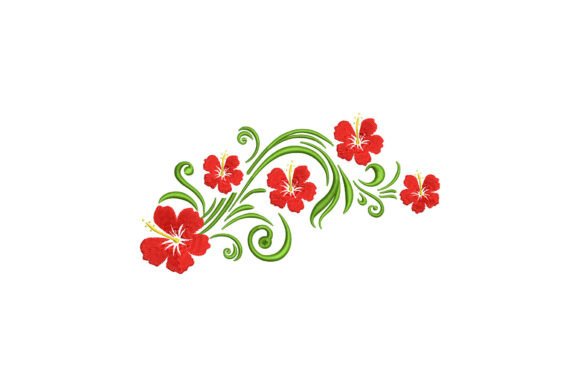
Hibiscus Flowers
A Subtle Elegance for Small Business Merchandise
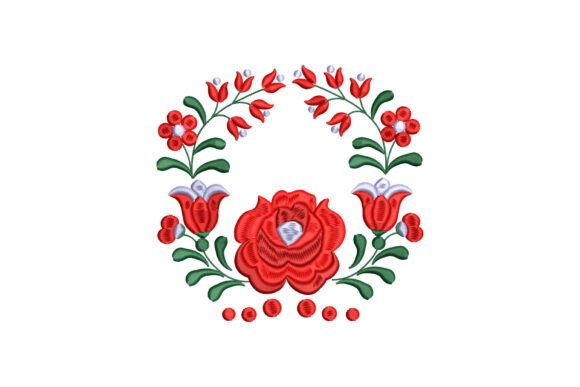
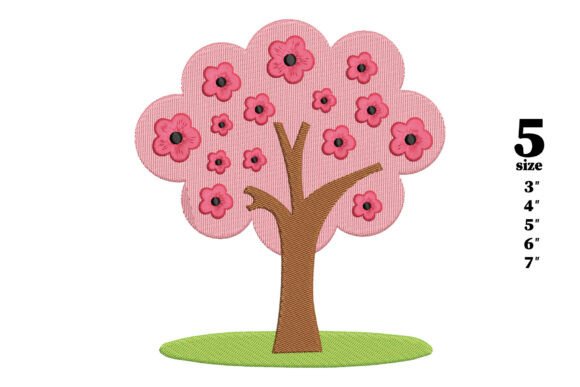
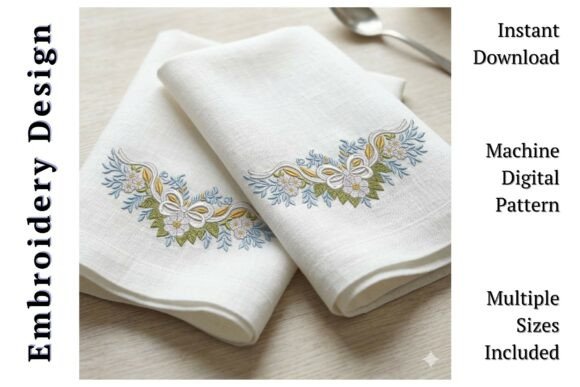
As an experienced embroidery designer, I've reviewed countless machine embroidery designs for small business use. Hibiscus Flowers stands out not just for its visual appeal but for its versatility in real-world applications. This floral design offers a delicate yet professional look that can elevate everything from embroidered patches to custom apparel.
First Impressions: A Blend of Charm and Sophistication
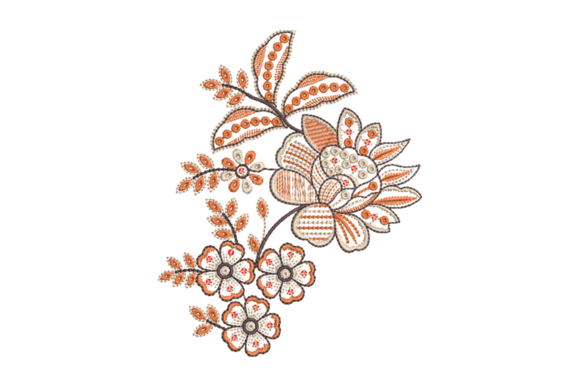
The first thing that strikes me about Hibiscus Flowers is its refined aesthetic. It feels like a blend of classic and modern, with a subtle charm that's perfect for branding. The design doesn't shout; it whispers elegance, making it ideal for businesses that want to convey a sense of quality and care without being too flashy.
The floral elements are well-proportioned and balanced, which speaks to the designer's attention to detail. Whether you're looking to add a touch of nature to your brand or create a cohesive visual identity, Hibiscus Flowers provides a versatile foundation.
Real-World Use Cases for Hibiscus Flowers
Hibiscus Flowers is more than just a decorative element—it's a powerful tool for small business merch. Here are some practical applications:
- Embroidered Patches: Perfect for adding a subtle logo or signature to branded merchandise.
- Chest Logo Accents: Ideal for staff uniforms, aprons, and tote bags where a minimalist approach is key.
- Sleeve Details: Adds a unique flair to custom apparel without overpowering the overall design.
- Cap Embroidery: Works beautifully on cap fronts, offering a clean and professional look.
- Tote Bag Design: Enhances the visual appeal of tote bags while maintaining a low-profile presence.
- Product Packaging Accents: Can be used as a subtle branding element on labels or tags.
- Customer Gifts: Offers a personalized touch to promotional items like keychains or fabric pouches.
- Event Merch: Suitable for temporary branding needs, such as event badges or banners.
Its adaptability makes it a great choice for both handmade products and commercial embroidery projects. Whether you're creating custom apparel or branded accessories, Hibiscus Flowers has the potential to enhance your brand’s visual storytelling.
Considerations for Commercial Use
While Hibiscus Flowers is visually appealing, there are a few factors to consider before using it in production:
- Small Patch Sizes: Ensure the design scales well to smaller formats without losing clarity.
- Cap Fronts and Curved Surfaces: Test how the design looks on curved or irregular surfaces to avoid distortion.
- Tiny Lettering: If the design includes text, verify that it remains legible at smaller sizes.
- High Stitch Density: Be mindful of stitch density, especially when working with dense fabrics or detailed outlines.
- Fabric Texture: Consider how the design interacts with different textures, particularly on dark or textured materials.
- Dark Uniforms: Check thread color contrast to ensure visibility on darker backgrounds.
- Frequent Washing: Assess durability and how the design holds up after repeated washing.
These considerations are crucial for ensuring that Hibiscus Flowers performs consistently across various applications and maintains its visual integrity over time.
Impact on Brand Identity and Customer Trust
Using Hibiscus Flowers in your branding can significantly influence customer perception. Its elegant and subtle design fosters a sense of trust and professionalism, which is essential for small businesses aiming to build long-term relationships with their audience.
Consistency is key in brand identity, and Hibiscus Flowers supports this by offering a cohesive visual element that can be applied across multiple product lines. From apron embroidery to tote bag design, this design helps reinforce your brand’s personality and values.
Additionally, the design’s ability to blend seamlessly into handmade products enhances the perceived value of your offerings. Customers are more likely to engage with brands that reflect craftsmanship and attention to detail—qualities that Hibiscus Flowers embodies.
Practical Designer Notes for Success
To ensure the best results when using Hibiscus Flowers, follow these practical tips:
- Test in Black and White First: Evaluate how the design translates in monochrome to identify any issues with contrast or clarity.
- Check Patch Size Compatibility: Confirm that the design works well at smaller scales, especially for patches and caps.
- Review Thread Color Contrast: Choose thread colors that complement the design and provide sufficient contrast against the fabric.
- Inspect Spacing and Layout: Ensure the design fits within the intended hoop size and doesn’t cause overcrowding.
- Confirm Hoop Size: Verify that the design is compatible with your embroidery machine’s hoop dimensions.
- Use Proper Stabilizer: Select a stabilizer that supports the fabric type and design complexity to prevent puckering or distortion.
- Create a Printable Mockup: Generate a mockup for client approval to ensure alignment with brand guidelines.
- Compare with Other Assets: Ensure Hibiscus Flowers aligns with your existing design assets for visual consistency.
- Confirm Commercial Licensing: Always verify that the design is licensed for commercial use before proceeding with production.
By following these steps, you’ll maximize the effectiveness of Hibiscus Flowers in your embroidery projects and ensure a seamless integration into your brand’s visual strategy.